Skip the phone queue - book your appointment in minutes, day or night.

A blackout is a temporary loss of consciousness, known medically as syncope. It happens when blood flow to the brain briefly drops, so you faint and then recover. Some people feel faint without fully passing out - this is called pre-syncope. Most blackouts have a harmless cause, but a few point to a heart problem that is worth checking, which is why an unexplained blackout deserves proper assessment.

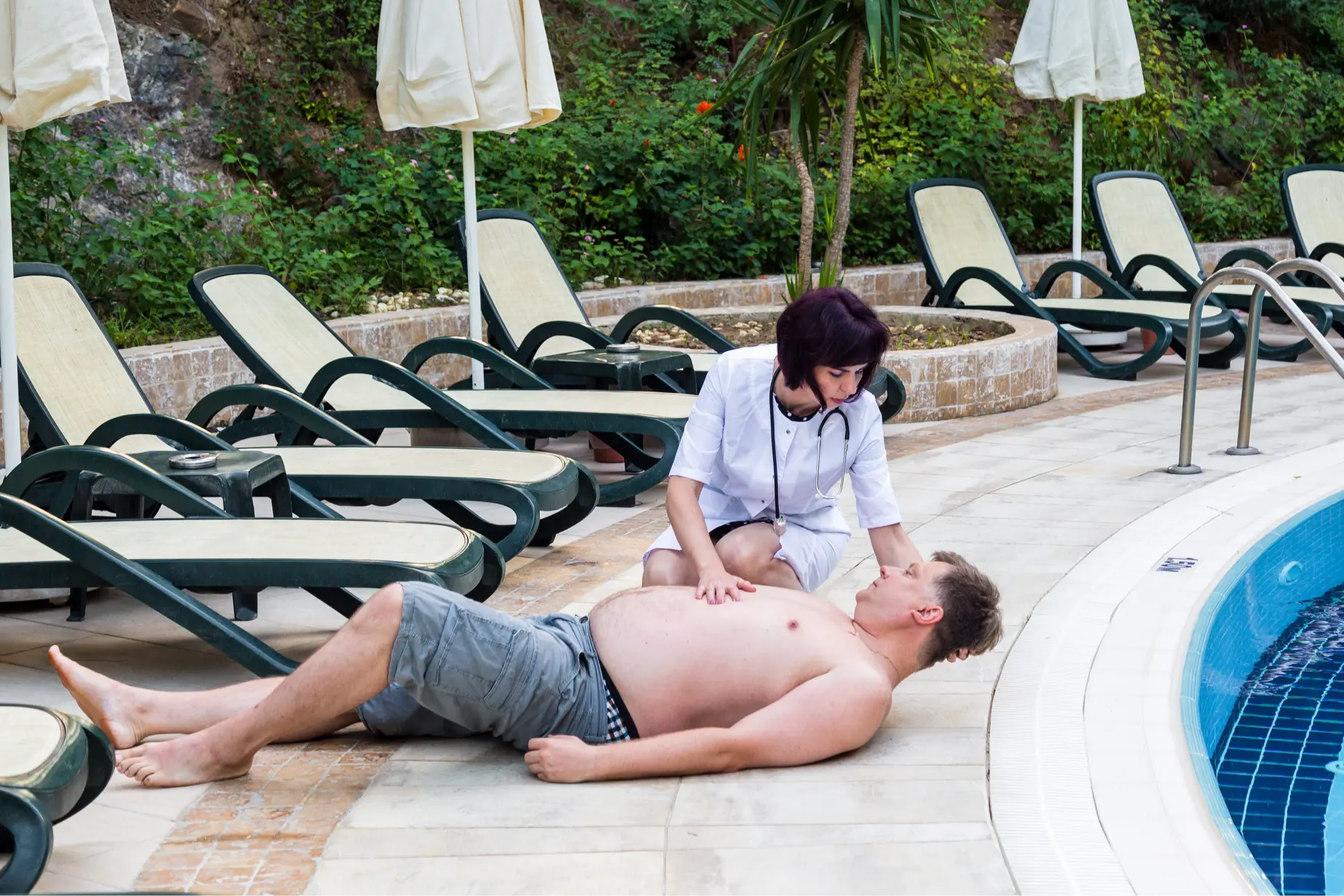
A blackout is a temporary loss of consciousness, known medically as syncope. It happens when blood flow to the brain briefly drops, so you faint and then recover. Some people feel faint without fully passing out - this is called pre-syncope. Most blackouts have a harmless cause, but a few point to a heart problem that is worth checking, which is why an unexplained blackout deserves proper assessment.
Recovery from a blackout is usually quick and complete. Fainting is common - studies suggest around 4 in 10 people faint at least once in their lifetime, and a simple faint (vasovagal syncope) is the most frequent cause1. A blackout is different from ongoing dizziness or light-headedness, where you feel unsteady but do not actually pass out.
Call 999 or seek urgent medical attention if a blackout:
LivingCare is a specialist outpatient service and is not an emergency care facility. If your symptoms are sudden or severe, call 999.
For an unexplained faint, a first blackout, repeated episodes, or fainting with no warning, it is sensible to book a private cardiology assessment. A family history of sudden cardiac death is another reason to be checked.
Assessment starts with a detailed history of what happened before, during and after the episode. An account from someone who witnessed the blackout is especially valuable, as you may not remember it yourself. Depending on your symptoms, a cardiologist may arrange an ECG to check the heart's rhythm, ambulatory ECG monitoring to record the heartbeat over hours or days, an echocardiogram to look at the heart's structure, and 24-hour blood pressure monitoring to detect a drop in blood pressure on standing. A tilt-table test is sometimes used to check for vasovagal syncope. Our cardiology team works across Leeds and Sheffield, with no GP referral needed - self-pay or insurance.
The cause may be cardiac or non-cardiac. Common ones include:
Our cardiologists take a systematic approach to finding the cause and will coordinate onward care where it is needed.

We're always on hand, so get in touch and we'll get back to you straight away.
Speak to our team