Skip the phone queue - book your appointment in minutes, day or night.

Palpitations are when you become aware of your own heartbeat - a fluttering, pounding, racing or skipped-beat sensation in your chest, throat or neck. They are common, often harmless, and frequently caused by everyday things like caffeine or stress. Occasionally, though, they can signal an underlying heart-rhythm problem that benefits from assessment.


Palpitations are the feeling of being abnormally aware of your heartbeat. You might notice it as a flutter, a thump, a racing pulse, or a sense that your heart has "skipped a beat". Most are ectopic beats - extra or missed beats that pass in a moment and are usually harmless. Episodes may last seconds or minutes, can happen at rest or during activity, and often feel alarming even when the cause is entirely benign.
Call 999 immediately if palpitations come with chest pain or tightness, severe breathlessness, collapse, or a feeling that you are about to faint.
LivingCare is a specialist outpatient service and is not an emergency care facility. If your symptoms are sudden or severe, call 999.
You should consider a private cardiology assessment if your palpitations are frequent or prolonged, occur during exertion, feel irregular or noticeably fast or slow, or come alongside dizziness, breathlessness, chest pain or a blackout. It is also worth being assessed if you have an existing heart condition, or a family history of arrhythmia or sudden cardiac death.
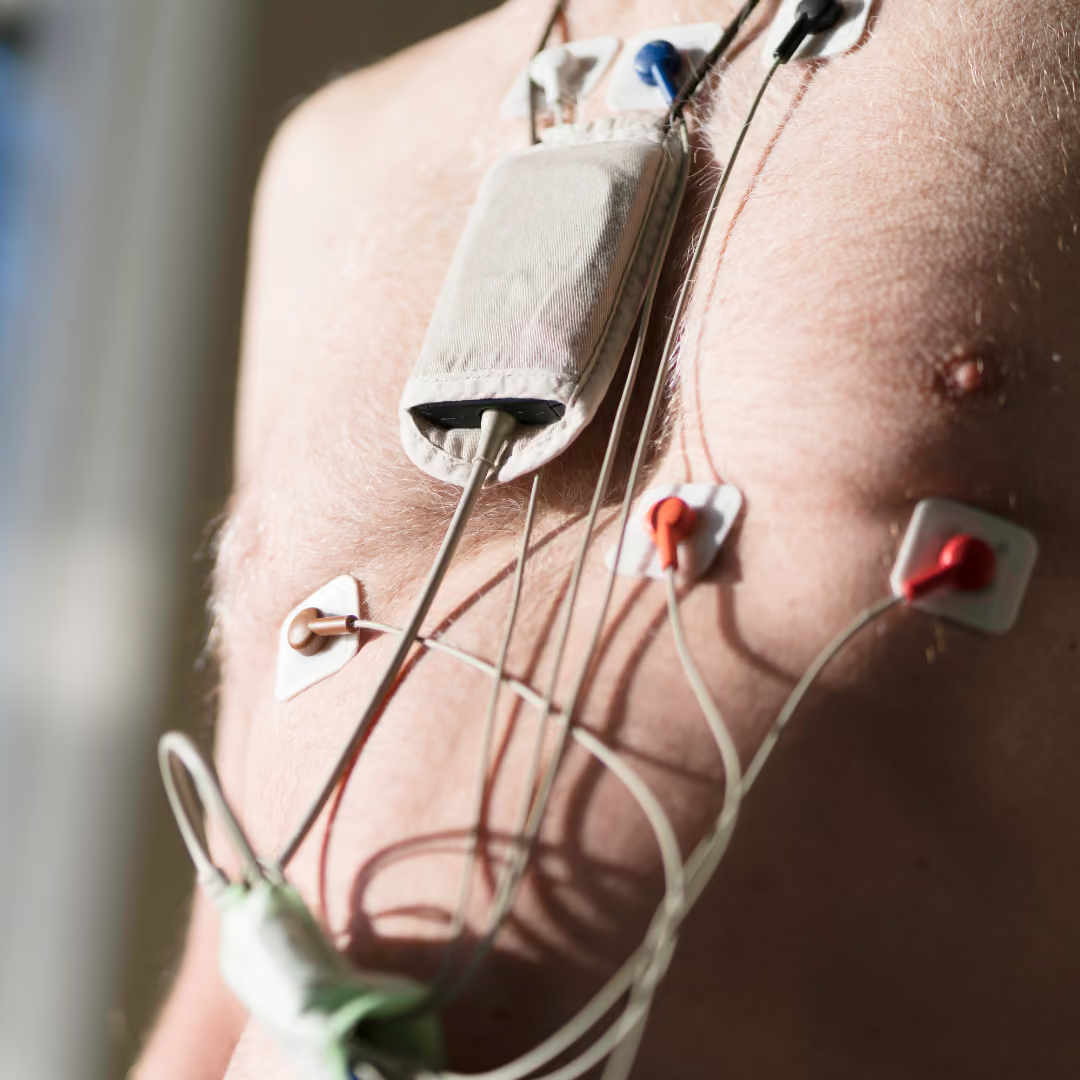
The key to investigating palpitations is capturing your heart rhythm at the moment symptoms occur - so the most useful test is often ambulatory (Holter) ECG monitoring, a wearable monitor recorded over 24 hours to 7 days to catch intermittent episodes. A resting ECG records your rhythm at the time of the appointment, and an echocardiogram is an ultrasound scan that checks the structure of the heart. To arrange the right tests, book a private cardiology assessment or explore our cardiology department in Leeds and Sheffield.
Palpitations have many causes, ranging from entirely benign to conditions that respond well to treatment. Common causes include:
More than 1.5 million people in the UK are living with a diagnosis of atrial fibrillation, the most common heart-rhythm disorder [1]. Palpitations can also be triggered by caffeine, alcohol, stress or dehydration, or by non-cardiac conditions such as an overactive thyroid or anaemia - which a cardiology assessment can identify and route on for the right care.

We're always on hand, so get in touch and we'll get back to you straight away.
Speak to our team