
Perimenopause Symptoms: When Should You Seek Help?
Oct 18, 2026


Skip the phone queue - book your appointment in minutes, day or night.
Published on
22/6/2026


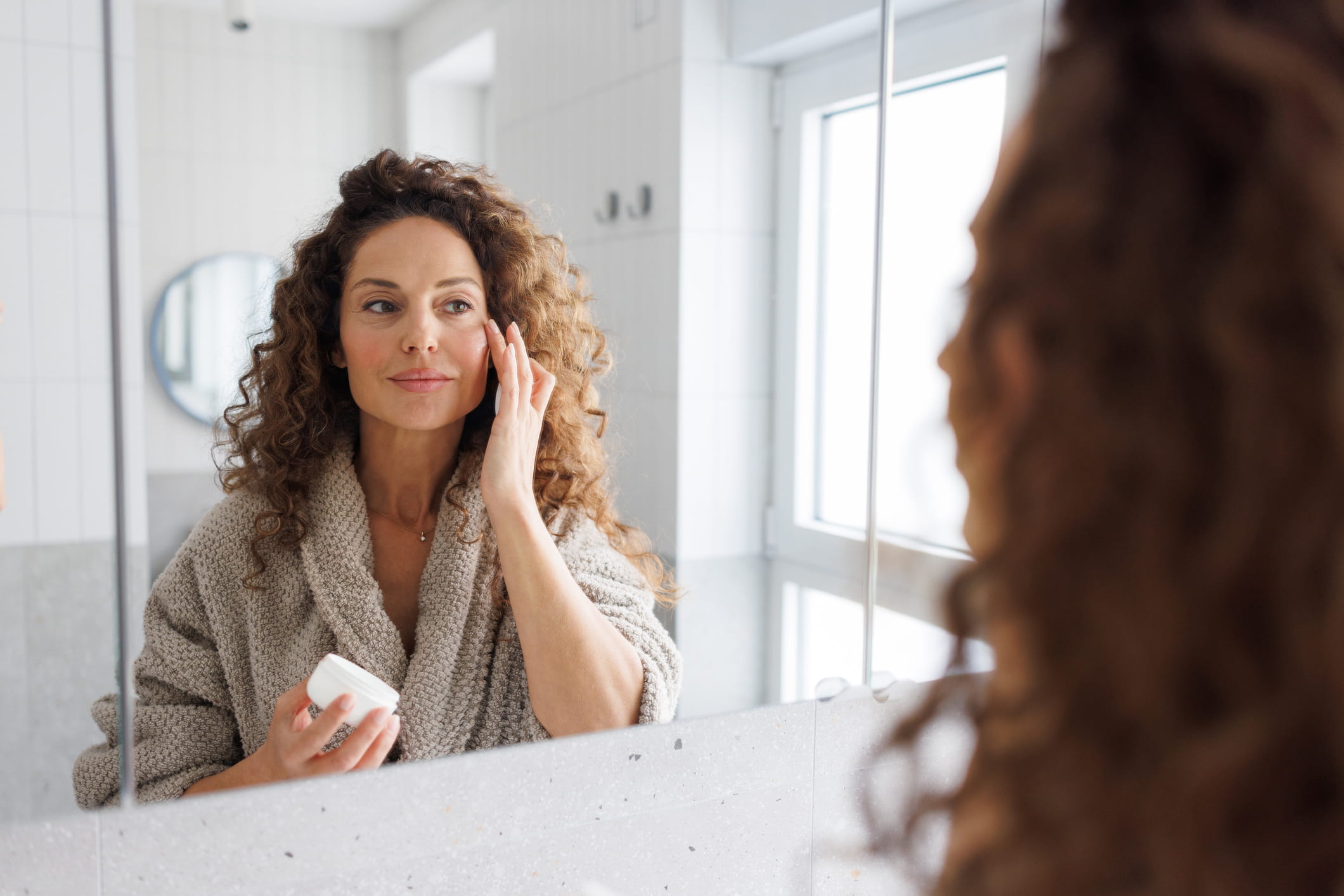

Many people assume acne is something that disappears after the teenage years. In reality, adult acne is extremely common and can affect people well into their 20s, 30s, and beyond.
For some people, acne continues from adolescence. For others, it develops later in adulthood with no previous history of skin problems. Either way, persistent breakouts can become frustrating, particularly when different products and routines fail to improve symptoms.
It is also common for adults with acne to delay seeking help. Many people continue trying to manage symptoms alone for months or even years before considering specialist treatment, often assuming their skin will eventually improve on its own.
Acne is one of the most common skin conditions in the UK. NICE states that acne leads to approximately 3.5 million GP consultations every year, with adult acne particularly common in women.¹
Dermatologists are increasingly seeing adults with persistent or late-onset acne, especially around the jawline, chin, and lower face.
Although acne is often dismissed as a cosmetic issue, ongoing symptoms can have a significant effect on confidence, social situations, and overall wellbeing.
There is rarely a single cause of adult acne. In most cases, several factors contribute to breakouts developing or continuing over time.
Common causes include:
Hormonal acne is particularly common in adults and often follows recurring flare-ups. Stress can also worsen inflammation and increase oil production within the skin, making symptoms more difficult to control.
For many people, identifying the underlying trigger is not straightforward. This is one reason why adult acne often becomes difficult to manage without professional guidance.
Many adults spend a long time trying different skincare products before seeking specialist advice.
While mild acne can sometimes improve with over-the-counter treatments, persistent or inflammatory acne often needs a more targeted treatment plan. In some cases, using too many active products can further irritate the skin and worsen symptoms.
Adult acne often requires treatment targeting the hormonal triggers with topical or oral treatments often in combination with other standard acne treatments.
It may be worth considering specialist assessment if you experience:
Without the right treatment approach, acne can continue for much longer than necessary.
Acne is a medical skin condition, but it can also affect emotional wellbeing and confidence.
The Mental Health Foundation notes that skin conditions can have a significant psychological impact, particularly when symptoms affect visible areas such as the face.²
Many adults describe feeling frustrated, self-conscious, or exhausted by persistent breakouts. Some begin avoiding photographs, social events, or situations where they feel attention may be drawn to their skin.
This is one reason why getting the right diagnosis and treatment can make such a difference. Effective acne management is not only about improving the skin itself, but also helping people feel more comfortable and confident.
It is worth seeking specialist advice if acne:
Many adults delay seeking help because they assume acne will eventually settle on its own. In reality, persistent acne often benefits from consultant-led treatment and earlier intervention can help reduce the risk of long-term scarring.
Some patients initially speak to a private GP before being referred for specialist dermatology assessment, particularly when symptoms continue despite standard treatments.
Access to specialist dermatology care can help move away from trial-and-error skincare and towards a more structured treatment plan.
Private dermatology services provide:
LivingCare supports patients across Yorkshire with dermatology care focused on accurate diagnosis, effective treatment, and long-term skin management.