
NICE's Updated Draft Guidance Recommends Ziwig Endotest® While Evidence Is Gathered
Oct 14, 2026


Skip the phone queue - book your appointment in minutes, day or night.
Published on
18/6/2026


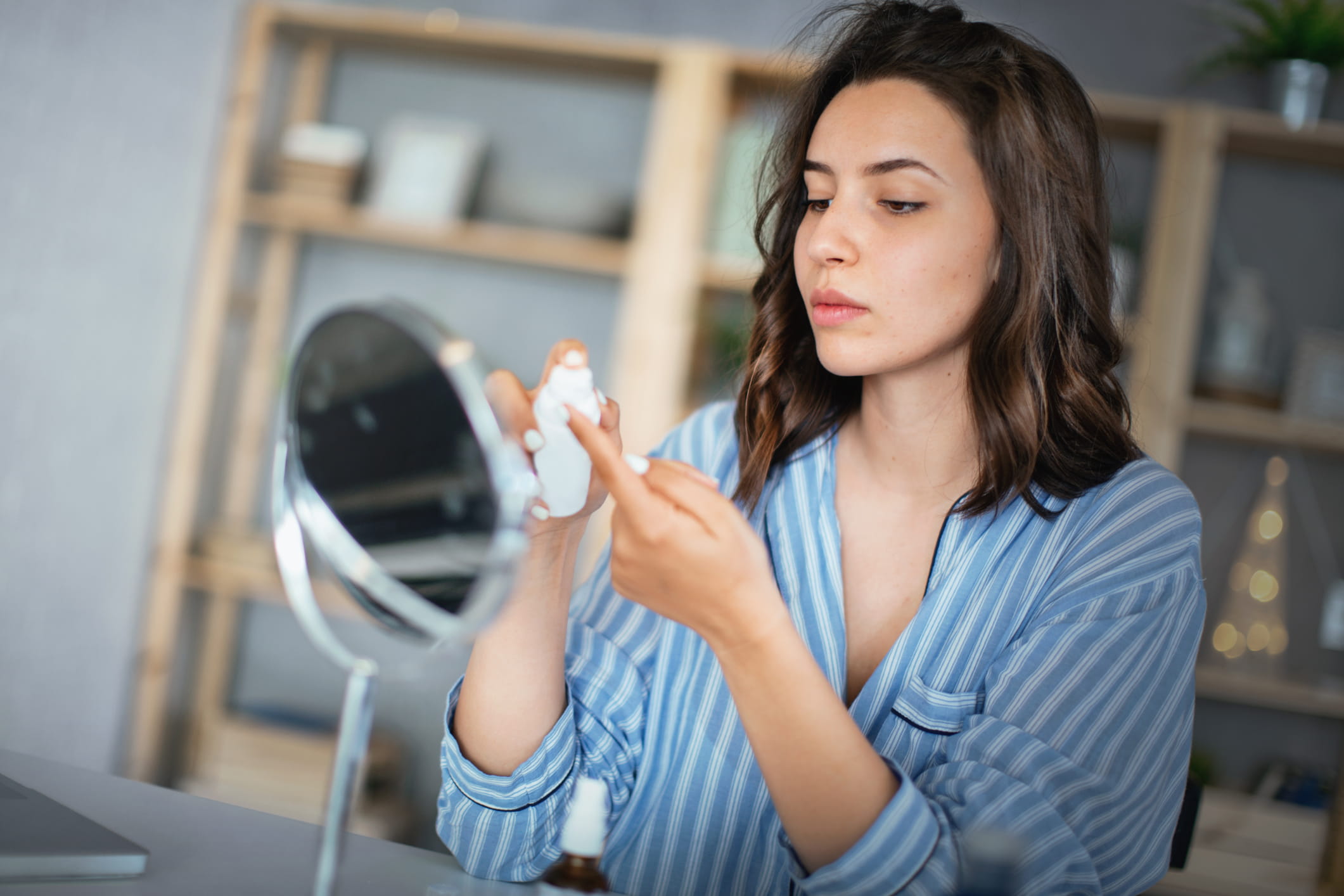

Acne is not always the same from person to person. Some people experience mild acne or occasional breakouts, while others develop painful, inflamed spots that are more difficult to manage.
Understanding the different types of acne can make it easier to recognise patterns in your skin and understand when specialist treatment may help.
Acne develops when hormone-triggered oily skin and blocked hair follicles allow bacteria to grow, leading to inflammation. Because everyone's skin is unique, how these symptoms actually look can vary significantly from person to person.
Some forms of acne are relatively mild and manageable, while others are more persistent and may increase the risk of scarring if left untreated.
Recognising the type of acne you are experiencing is often the first step towards finding the right treatment approach. What looks like “standard acne” on the surface can sometimes require a very different management plan.
Blackheads and whiteheads, are often called non-inflammatory lesions, although some inflammation is usually present.
You may notice:
Although these symptoms are often mild, they can still become persistent and frustrating, particularly if they continue despite regular skincare.
Inflammatory acne develops when blocked pores become irritated and inflamed.
This may lead to:
Inflammatory acne often feels more uncomfortable and can take longer to settle. Some people find symptoms improve temporarily before flaring again, particularly during periods of stress.
Without appropriate treatment, inflammatory acne can sometimes leave post-inflammatory marks or scarring after spots heal.
Nodulo-cystic acne is one of the more severe forms of acne and often develops deeper within the skin.
Symptoms can include:
People with nodulo-cystic acne often try to manage symptoms alone for long periods before seeking specialist advice. However, this type of acne rarely improves through skincare products alone and early treatment can significantly reduce the risk of long-term scarring.
Hormonal acne is particularly common in adults and often follows recurring patterns.
People may notice:
Hormonal acne can feel especially frustrating because symptoms may improve temporarily before returning again. Many adults eventually seek dermatology treatment after realising that changing products repeatedly is not resolving the underlying issue.
There is a common assumption that acne only affects teenagers. However, the Primary Care Dermatology Society notes that acne can persist into a person’s 30s, 40s, and beyond.¹
This is one reason why identifying the type of acne matters. Persistent or more severe acne often benefits from medical treatment rather than relying on skincare changes alone.
It may be worth seeing a dermatologist if:
For patients in Leeds, Sheffield, and across Yorkshire, early assessment can help prevent symptoms from becoming more difficult to manage over time.
Persistent acne often benefits from a more structured treatment approach.
For patients in Leeds and Sheffield, private dermatology services provide:
LivingCare supports patients across Yorkshire with dermatology care designed to provide clear diagnoses, effective treatment pathways, and ongoing support where needed.