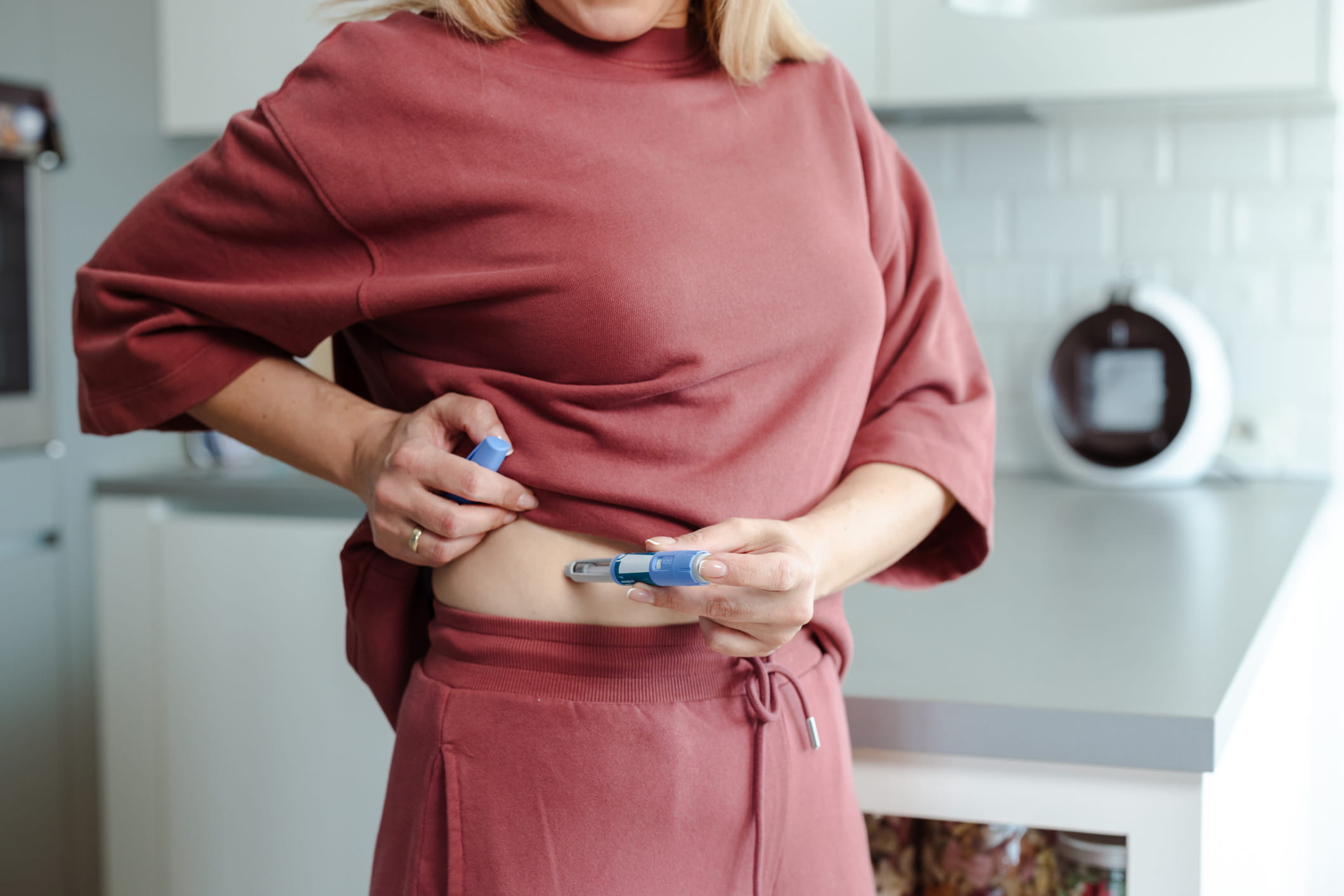
On A Weight-Loss Jab And Booked For A Scope?
Oct 13, 2026


Skip the phone queue - book your appointment in minutes, day or night.
Published on
15/6/2026


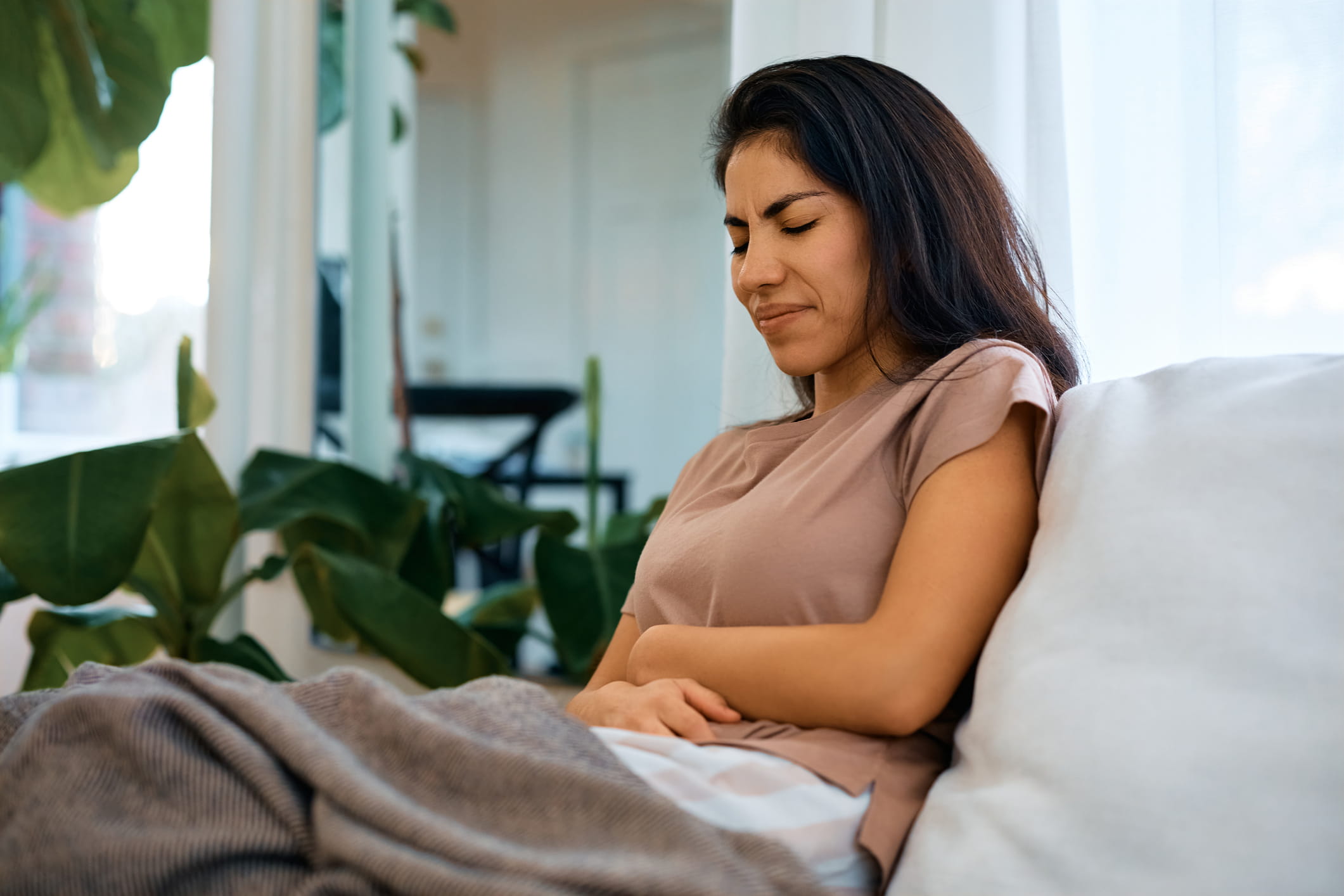

At LivingCare, we support individuals at every stage of their health journey, including early concerns around fertility. In partnership with fertility specialists at JIVA Fertility, we help patients access the right guidance, assessments, and care pathways when needed.
Endometriosis is a common condition that can affect both daily wellbeing and fertility. While it may feel overwhelming, many individuals with endometriosis go on to conceive naturally or with the right support. Understanding the condition early can make a meaningful difference in your next steps.
Endometriosis occurs when tissue similar to the lining of the womb grows outside the uterus. These growths are most often found within the pelvis, including the ovaries, fallopian tubes, and surrounding structures. In some cases, it can extend to other areas such as the bowel or bladder.
This tissue responds to hormonal changes during the menstrual cycle, similar to the womb lining. However, because it cannot exit the body, it can lead to inflammation, irritation, and sometimes scar tissue formation.
In the UK, endometriosis affects around 1 in 10 women of reproductive age. Its impact varies widely, with some experiencing minimal symptoms while others face significant discomfort or fertility challenges.
Endometriosis is most frequently found in the pelvic region, including:
In more advanced cases, it may involve the bowel, bladder, or urinary tract.
The exact cause of endometriosis is not fully understood. Several contributing factors are thought to play a role, including:
It is likely that a combination of these elements contributes to the development of the condition.
Endometriosis presents differently for each individual. Some may have no symptoms at all, while others experience ongoing discomfort.
Common symptoms include:
Experiencing multiple symptoms does not confirm a diagnosis, but it may indicate the need for further evaluation.
Many individuals with endometriosis are able to conceive naturally. However, for some, the condition may reduce the likelihood of pregnancy.
Several mechanisms may contribute to this:
Changes to Pelvic Anatomy
Scar tissue and adhesions can affect the normal function of the fallopian tubes and ovaries, making it more difficult for fertilisation to occur.
Effects on Ovarian Function
Ovarian cysts known as endometriomas may develop and impact egg reserve, which refers to the number of eggs remaining in the ovaries.
Inflammatory Environment
Endometriosis can create an environment that may affect egg quality, sperm function, fertilisation, and implantation.
Diagnosis can sometimes take time, as symptoms may overlap with other conditions.
Initial assessment typically includes:
Further investigations may include:
A laparoscopy is considered the most definitive way to diagnose endometriosis. This is a minimally invasive procedure that allows direct visualisation and, in some cases, treatment at the same time.
Management of endometriosis depends on several factors, including age, symptoms, and fertility goals.
Symptom Management
Hormonal treatments may help reduce symptoms by suppressing the activity of endometriosis. However, these are not typically used when trying to conceive.
Pain relief medications and supportive therapies such as physiotherapy or stress management may also be beneficial.
Surgical Intervention
Surgery may be considered to remove endometriosis tissue or scar tissue in certain cases. This can improve natural fertility in some individuals, particularly in milder stages.
Assisted Reproductive Options
For those facing difficulty conceiving, assisted reproductive treatments may be recommended.
If you are experiencing symptoms or have concerns about fertility, early evaluation can help identify the underlying cause and guide appropriate care.
At LivingCare, we provide initial consultations, assessments, and personalised guidance to help you understand your options.
Fertility concerns can feel uncertain, but you do not have to navigate them alone. At LivingCare, we focus on early support, clear information, and coordinated care.
Clinical guidance in this area is informed by specialists such as Dr Harish Bhandari, Consultant Gynaecologist and Sub-specialist in Reproductive Medicine and Surgery, whose work supports evidence-based care in endometriosis and fertility.
If you’re unsure about your symptoms or how they may be affecting your fertility, speak with a LivingCare professional. We’ll guide you through your options and, if needed, connect you with our trusted partners at JIVA Fertility for specialised care.
Disclaimer: This article is for informational purposes only and should not replace medical advice. Always speak to a healthcare provider about your individual health needs.