Skip the phone queue - book your appointment in minutes, day or night.

Learn about moles, including warning signs, mole changes and when to seek dermatologist assessment.

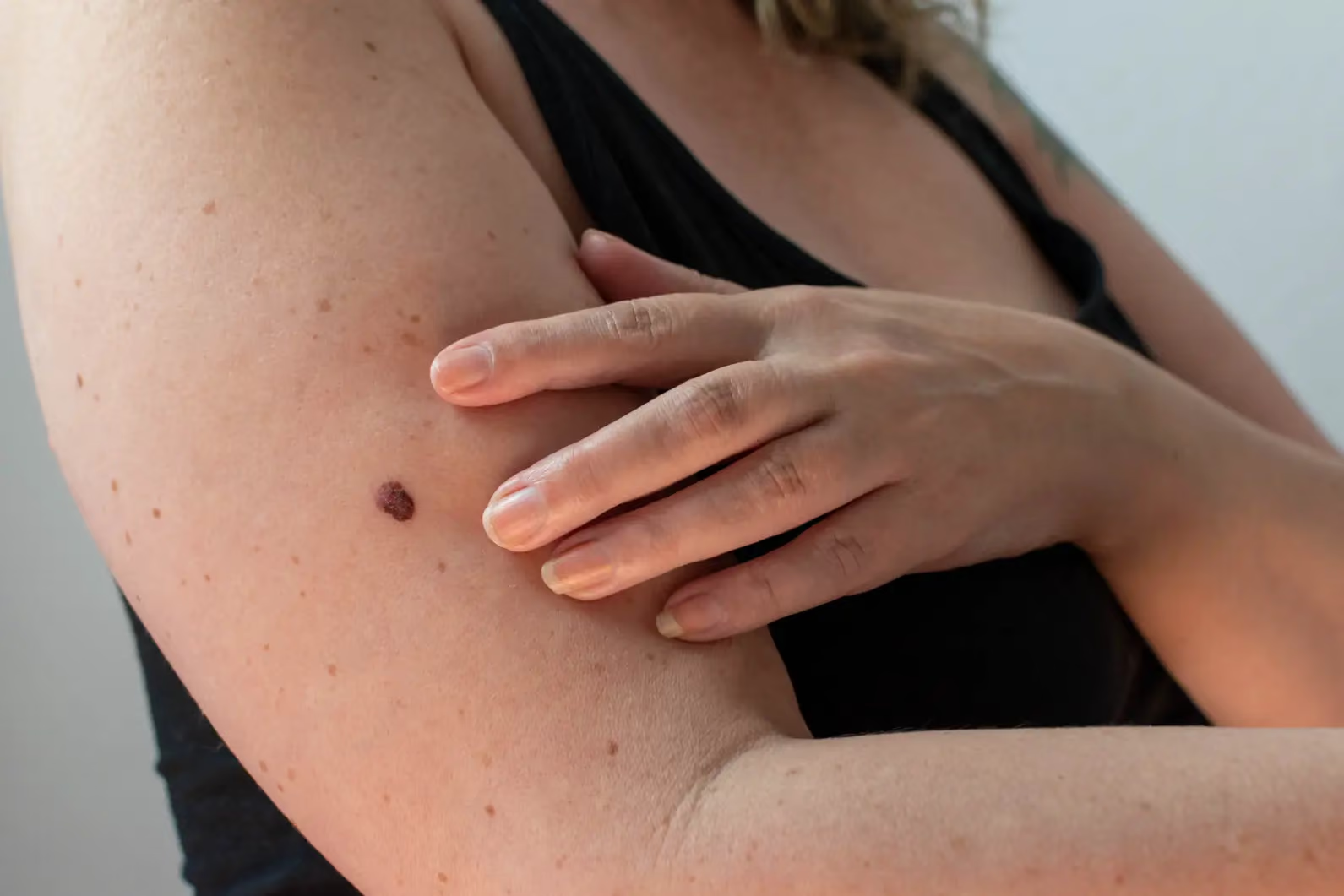
Moles are very common skin growths made up of pigment-producing cells called melanocytes.
Most adults have several moles. They can vary in colour, size and shape and may appear anywhere on the body.
Most moles are harmless. However, some can develop into melanoma, a serious type of skin cancer. 20-30% of melanomas develop in pre-existing moles, 70% of melanomas develop on previously normal looking skin.
It is important to seek assessment if a mole:
The ABCDE rule is commonly used to assess suspicious moles:
Moles are usually examined using dermatoscopy, which allows a dermatologist to assess the pigment pattern and structure of the lesion in detail.
Most moles are benign and only require reassurance or monitoring.
If a mole appears suspicious, removal may be recommended.
LivingCare provides:

We're always on hand, so get in touch and we'll get back to you straight away.
Speak to our team