
NICE's Updated Draft Guidance Recommends Ziwig Endotest® While Evidence Is Gathered
Oct 14, 2026


Skip the phone queue - book your appointment in minutes, day or night.
Published on
8/5/2026


The LivingCare Group
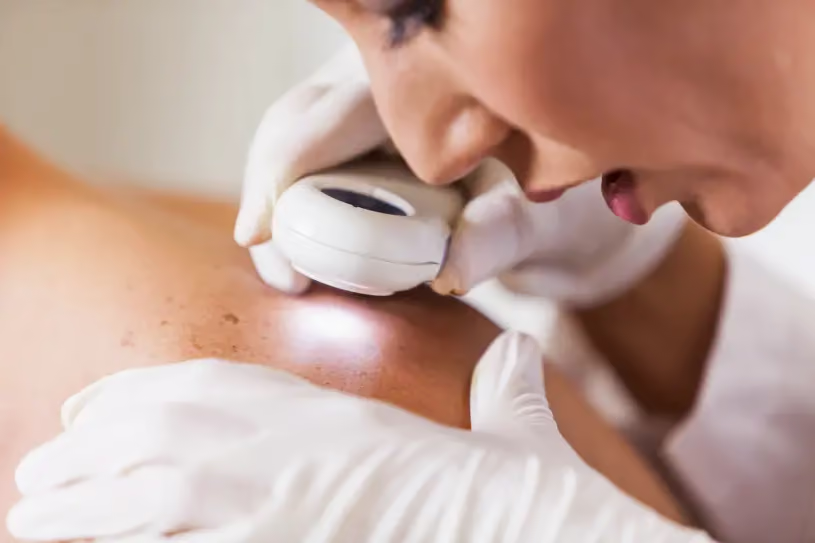

Skin concerns are common, and in many cases they improve with time or simple treatments. Because of this, it is easy to wait and see if things settle on their own.
However, some conditions persist or gradually worsen without the right treatment. Knowing when to see a dermatologist can help you avoid unnecessary delays and get clearer answers sooner.
It is not unusual to try over-the-counter treatments first. But if symptoms continue after a few weeks, it may be a sign that something more targeted is needed.
This can include:
In these situations, continuing to try different products can become frustrating. A dermatology assessment can help identify the cause and provide a more structured treatment plan.
Changes to moles are one of the most important reasons to seek medical advice. Many people notice changes but are unsure whether they are significant.
You should arrange an assessment if you notice:
These changes are often harmless, but they should always be assessed to rule out more serious conditions and provide reassurance where appropriate.
Not all skin concerns are visible. Symptoms such as itching, sensitivity, or discomfort can still indicate an underlying issue.
You might notice:
These symptoms can be easy to overlook, particularly if they come and go. However, if they continue or begin to affect your day-to-day life, it is worth getting them checked.
Skin conditions are extremely common. According to the British Skin Foundation, around 60% of people in the UK experience a skin condition each year.¹
Despite this, many people delay seeking specialist advice. It is common to try multiple treatments before considering a consultation, particularly if symptoms seem mild at first.
When a skin concern persists, access to timely care becomes important.
For patients in Sheffield and Leeds, private dermatology services offer:
This can help reduce uncertainty and ensure that any concerns are properly assessed without long delays.